What Is Tracer Ammo and How Does It Work?
Are you tired of missing your shots or struggling to see where your bullets are going in the heat of the moment? You’re not alone—many shooters want better control and visibility during their fire. That’s where tracer ammo comes in.
Tracer ammo is specialized firearm rounds that leave a visible trail as you fire, helping you track your shots and improve accuracy, especially in low-light or chaotic situations.
They contain a pyrotechnic compound that ignites upon firing, illuminating the bullet’s path. This makes target acquisition easier and aids in battlefield communication.
If you keep exploring, you’ll uncover more about how tracer rounds work, their benefits, and safety tips for use.
Key Takeaways
- Tracer ammo contains pyrotechnic compounds that ignite when fired, leaving a visible trail to help track the bullet’s path.
- They make it easier to see where shots are going, especially in low-light or chaotic battlefield conditions.
- Tracer rounds have similar ballistics to regular bullets but have slight differences in weight and flight.
- They also pose safety risks like fire hazards and can reveal your position because of their visible trails.
- The use and possession of tracer ammunition are regulated by regional laws and safety guidelines.
What Are Tracer Rounds and When Should You Use Them?
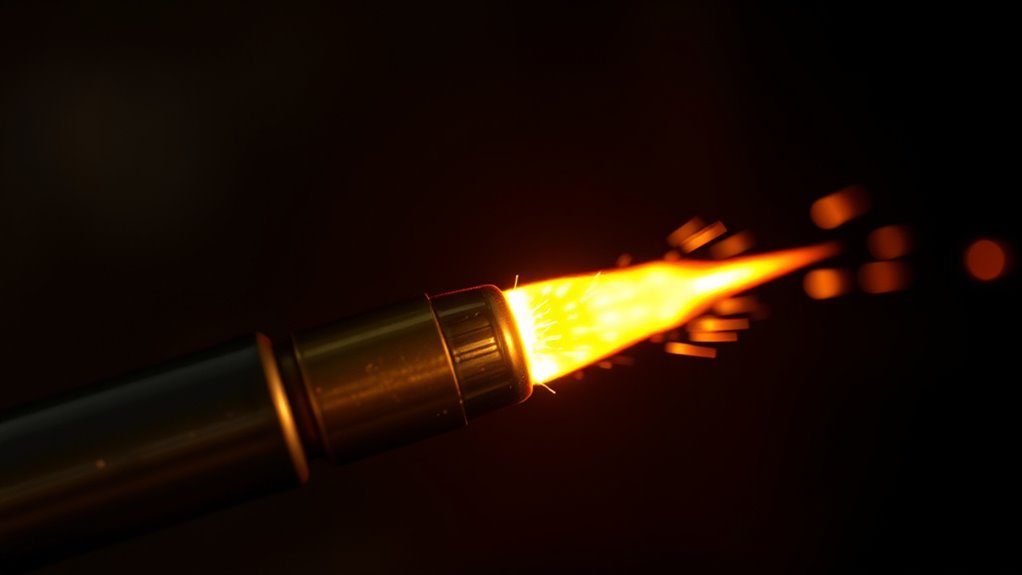
Ever wonder what makes tracer rounds stand out from regular bullets? They’re used for marking targets, guiding fire, and improving accuracy in low-light or nighttime conditions.
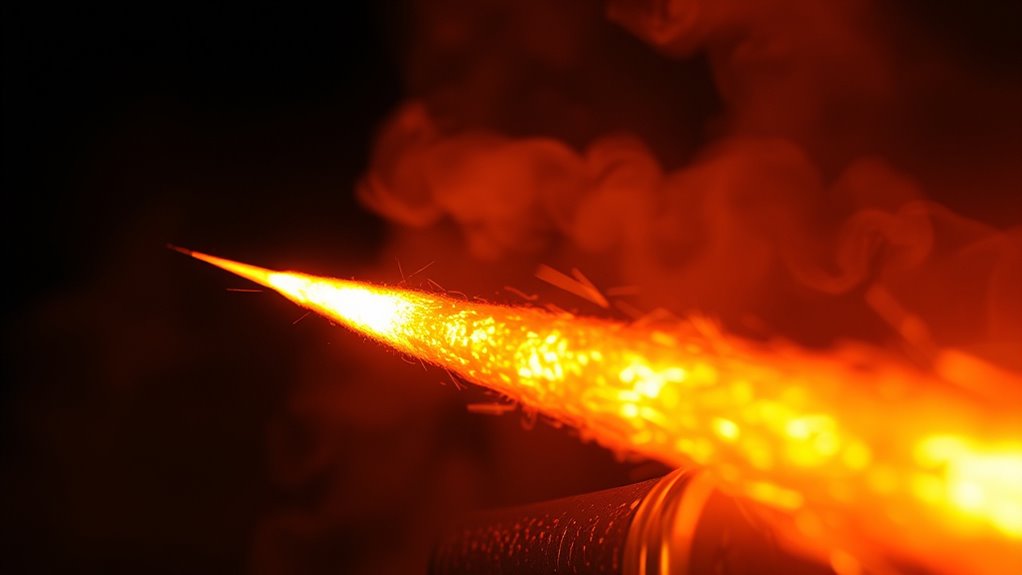
Tracer rounds have a small pyrotechnic charge that ignites when fired, leaving a visible trail behind. This trail helps shooters see the path of their shots, making adjustments on the fly much easier.
In military history, tracer rounds have been crucial for battlefield communication and coordination. They’re especially useful during suppressive fire or when engaging targets quickly.
You should use tracer rounds when you want to boost fire accuracy, coordinate suppressive fire, or identify targets at night. They’re also great for training exercises, helping shooters learn where their shots land.
But be careful not to overuse tracers in combat. They reveal your position, which can make you more vulnerable.
How Do Tracer Bullets Work in Firearms?
Tracer bullets work by including a small pyrotechnic compound in the tip of the cartridge, which ignites when fired. This creates a bright, visible streak that makes it easier to track the bullet’s path, especially in low-light situations.
The ballistics of tracer rounds are similar to regular bullets, but the added pyrotechnic affects the overall weight and flight slightly. You might notice minor differences in accuracy or range because of this.
Visibility is key here. The glowing trail helps you see where your shots land and adjust your aim as needed. This makes tracers especially useful during rapid fire or at night when standard bullets are harder to follow.
Weather conditions like fog or rain can affect how well tracer bullets work, as moisture can diminish their glow. Overall, they give you real-time feedback on your shot placement, improving your shooting precision.
What’s Inside a Tracer Cartridge?
Have you ever wondered what’s really inside a tracer cartridge? Well, it’s pretty interesting! Basically, it contains a special type of tracer powder that lights up when fired, along with a tough cartridge casing that holds everything together.
Knowing what’s inside helps you understand how these rounds create that bright, visible glow. It’s all about the combination of the tracer compound and the casing working together to make sure you can see the bullet’s path in the dark.
Composition of Tracer Powder
The core of a tracer cartridge is its specially formulated powder, which ignites to produce both the projectile’s visible trail and the necessary propulsion. This powder is made of a combustible chemical mixture that burns brightly once ignited.
Its chemical properties are designed for quick ignition and sustained illumination. Usually, it involves compounds like magnesium or strontium-based materials that produce a vivid, visible glow, marking the projectile’s path.
The composition needs to balance stability during storage with reliable ignition when fired. Precise chemical ratios ensure consistent performance, safety, and brightness.
This carefully engineered mixture allows tracers to work well in different environmental conditions. They give shooters a clear visual cue of the projectile’s trajectory without sacrificing safety or performance.
Components of Cartridge Casing
A cartridge casing acts as both the container and protector for the internal parts of a tracer round. It’s made from materials like brass, steel, or aluminum, chosen for durability and weight. The design of the casing influences how reliably the round fires and ejects.
| Cartridge Material | Casing Design |
|---|---|
| Brass, steel, aluminum | Rimmed, rimless, belted |
The material affects how well it resists corrosion and whether it can be reused. The design impacts how smoothly it feeds into firearms. The casing holds the primer, powder, and projectile securely.
When fired, the casing ensures these components work together seamlessly, delivering consistent performance and reliable ignition.
How Do Tracers Illuminate Their Path?
Tracers illuminate their path through a small, glowing core embedded in the bullet or projectile, which ignites when fired. When you shoot, the heat from the gunpowder ignites this core, causing it to burn brightly.
This glow makes the projectile’s path highly visible, so you can see its trajectory in real-time. The bright emission lasts only a brief moment, helping you aim and make adjustments on the fly.
The design ensures the glow is bright enough to see but not so intense that it compromises concealment or safety. Handling tracer ammo properly is crucial because the burning core could pose a fire risk if mishandled or used improperly.
Why Use Tracer Ammo in Shooting and Military Operations?
Tracer ammo is pretty handy because it helps you see where your shots are going. When you fire, the tracer rounds light up, so you can easily track your bullets and know if you’re hitting your target or missing. It makes a big difference, especially when you’re trying to adjust your aim quickly.
In military operations, these benefits really come into play. Being able to see your shots helps coordinate fire with your team and ensures everyone’s on the same page. It’s all about making your shooting more effective and keeping things running smoothly.
Enhanced Target Tracking
Improved target tracking is a key advantage of tracer ammo, allowing shooters and military personnel to monitor projectile paths in real-time. This visibility boosts target acquisition by letting you see where your shots are going, especially in low-light or chaotic conditions.
With tracer rounds, you can quickly adjust your shooting techniques to improve accuracy and keep firing on moving targets. The glowing tracers give immediate feedback, helping you spot missed shots or areas that need correction.
This real-time feedback makes engagement more efficient, reduces guesswork, and increases overall effectiveness. Whether in combat or training, tracer ammo ensures you stay aware of your shot placement, making it a valuable tool for precise targeting and efficient firing.
Improved Shooting Accuracy
When accuracy matters most, tracer ammo gives shooters immediate visual feedback on their shots. As you fire, the glowing trail helps you see the bullet’s path in real-time, so you can adjust your aim quickly.
This visual cue is especially handy during rapid fire or complicated shooting situations. Tracer rounds also improve night visibility, making it easier to see where your shots are going in low-light conditions.
With a clearer view of your bullet’s trajectory, you can improve your shooting precision and miss fewer targets. This quick feedback loop helps you fine-tune your aim, leading to better accuracy over time.
What Are the Risks and Limitations of Tracer Rounds?
While tracer rounds can be really helpful for target acquisition and adjusting fire, they also come with some risks and limitations. One big concern is safety—since the tracers are visible, they can ignite fires if they land in dry or flammable areas, creating serious hazards.
The bright light and smoke trail can also give away your position to enemies, which isn’t ideal if you want to stay stealthy. Performance-wise, tracer rounds might be less accurate or reliable compared to standard bullets, and the heat they generate can cause malfunctions or even damage the barrel over time.
Another point to consider is cost—tracer rounds tend to be more expensive than regular ammo, so they’re less economical for frequent use. Plus, in bad weather like rain or fog, their visibility drops, making them less effective.
Are Tracer Rounds Legal and Safe?
You should know that whether tracer rounds are legal or not really depends on where you are, so it’s a good idea to check your local laws first. Safety is also a big deal here—these rounds can be pretty dangerous if you don’t handle them carefully, especially since they can cause fires or other accidents. Plus, there are often restrictions on how and when you can use them, so make sure you’re following all the rules to stay on the right side of the law.
Legal Regulations Vary Widely
Legal regulations surrounding tracer rounds vary a lot depending on where you are, so it’s important to know your local laws before buying or using them.
Whether they’re legal or not depends on regional rules, which can differ because of safety concerns and firearm laws.
Some areas restrict or ban their possession completely, citing fire hazards or potential misuse.
Others allow their use for training or target practice, but only under certain conditions.
Because these regulations differ so much, you need to research your local firearm laws thoroughly.
Not following the rules can lead to legal trouble, so always check if tracer rounds are considered legal ammunition where you are.
Staying informed about these rules helps you avoid penalties and makes sure you’re using tracer rounds responsibly and legally.
Safety Precautions Necessary
Using tracer rounds requires careful attention to safety because their striking visibility can pose unique risks if not handled properly. You need to prioritize safety gear, proper storage, and awareness of fire hazards.
Always wear appropriate safety gear, like eye and ear protection, to prevent injuries from accidental discharges or sparks. Store tracer rounds separately in secure containers to avoid accidental ignition or misuse.
Be aware of fire hazards, especially in dry or combustible environments, since tracer rounds can ignite fires easily. Handling tracer rounds responsibly minimizes risks to yourself and others.
Always follow local laws and regulations, and never shoot tracer rounds near flammable materials or in unsafe conditions. Safety first keeps everyone protected.
Usage Restrictions Apply
While tracer rounds can be useful for tracking shots and signaling, their legality and safety depend heavily on local laws and regulations. You need to be aware of usage limitations that vary by jurisdiction, as some areas restrict or prohibit their use altogether.
Ignoring these restrictions can lead to legal issues like fines or even criminal charges. Even if tracer rounds are technically legal where you are, safety concerns still matter, especially in dry or fire-prone environments.
Always do your research and follow local laws to avoid any unintended legal trouble. It’s your responsibility to check that using tracer ammo complies with regulations. When in doubt, consult local authorities or firearm experts to understand specific restrictions and safe handling practices.
How to Identify Different Types of Tracer Ammo
Identifying different types of tracer ammo means paying close attention to how they look and feel. You can tell them apart by using tracer identification techniques based on their appearance.
One of the easiest ways is to look at the tracer colors, which change depending on the type. Here are some key points to help you tell different tracers apart:
First, check the tracer color. They emit different colors like red, green, or orange, which makes recognition simple.
Tracer colors such as red, green, or orange help you easily identify different types of tracer rounds.
Next, observe the luminescence intensity. Some tracers glow brighter and longer, indicating different formulations or uses.
Finally, look for cartridge markings. Manufacturers often label tracer rounds with markings or color-coded tips to help you identify them quickly.
How Does Tracer Ammo Affect Shooting Accuracy and Training?
Tracer ammo can significantly impact your shooting accuracy and training results by giving you immediate visual feedback. When you fire tracer rounds, you can see the path of the projectile right away, helping you instantly evaluate your aim and make adjustments.
This real-time feedback can boost your shooting performance, especially during rapid-fire drills or quick-moving scenarios. But keep in mind, relying only on tracer rounds might sometimes make you overconfident since the visual trail can hide small aiming mistakes.
During practice, tracers are great because they help you spot and correct errors fast, which builds better muscle memory and shot consistency. They also make it easier to see patterns in your firing, making your training sessions more effective.
That said, it’s important to use tracers with regular ammo too, so you don’t become dependent on the visual cues and can maintain overall accuracy. When used thoughtfully, integrating tracer rounds can really help improve your shooting skills and training outcomes.
When Should You Choose Tracer Rounds?
When is it the right time to choose tracer rounds? You should consider using them when visibility is poor or during night shooting. Tracer rounds help you see where your shots land and improve accuracy in low-light conditions. They’re especially helpful when you need real-time feedback on your fire.
Here are three key moments to use tracer rounds:
- Night shooting: When it’s dark and visibility is limited, tracer ammo shows you exactly where your shots go.
- Low-light training exercises: They let you monitor your shot placement without extra lighting.
- Firing in smoke or fog: Tracers cut through obscurants, giving you a clear view of your trajectory.
Using tracer rounds wisely in these situations boosts your control and awareness, making them a valuable tool for night ops and tough visibility conditions.
Frequently Asked Questions
Can Tracer Rounds Be Used With All Firearm Calibers?
Tracer rounds can’t be used with all firearm calibers because they’re designed for specific applications and calibers. Their history dates back to military use, mainly for signaling and aiming.
You should check if your firearm’s caliber matches the tracer round’s specifications, as using incompatible rounds can be unsafe. Generally, tracer applications are more common in certain calibers like 5.56mm or 7.62mm, but they’re not suitable for every firearm.
How Long Do Tracer Rounds Typically Burn Brightly?
Tracer rounds usually burn brightly for about 2 to 4 seconds, depending on things like lighting and weather conditions.
During this time, you’ll see a vivid streak of light following the projectile’s path, making it easier to aim.
Keep in mind, the longer the burn lasts, the more noticeable the tracer. But environmental factors can really affect how bright and visible it is.
Do Tracer Rounds Produce More Recoil Than Regular Bullets?
A penny saved is a penny earned, and that’s true even with recoil. Tracer rounds don’t inherently produce more recoil than regular bullets, since recoil mainly depends on bullet weight and cartridge design.
However, because tracer rounds often have extra components like pyrotechnic material, some shooters might notice slight differences in how the bullet feels or moves. Overall, the difference is minimal, but it’s always good to stay aware of your weapon’s behavior.
Are There Specific Environmental Conditions That Affect Tracer Performance?
Environmental factors like rain, fog, or dust can really impact tracer visibility, making it harder to see or follow the rounds. Bright sunlight might also reduce how well you can see tracers, while darkness can make them stand out more.
Humidity and wind play a role too—they can disperse the visible trail, affecting how accurately you can target or track. Keep these environmental conditions in mind when using tracer ammo, as they can influence your accuracy and overall effectiveness.
What Are the Differences Between Tracer and Incendiary Ammunition?
Think of tracer and incendiary ammunition as two different fireworks displays. Tracer rounds glow during flight, making it easy to see where your shot is headed, which helps with aiming.
But you need to be careful with tracers because they require safe handling due to their glowing nature. Incendiary rounds, on the other hand, ignite when they hit something, causing fires or damage.
While tracers show you the path of your shot, incendiaries are all about causing destruction. Both have their unique roles, but always handle them responsibly, considering their different effects and safety needs.
Conclusion
Tracer ammo lights up your path like a guiding star in the night sky, revealing your shot’s journey with fiery brilliance. Whether for training, combat, or marking targets, these rounds turn every shot into a radiant trail.
Just remember, with their dazzling glow, you’re wielding more than just firepower—you’re crafting a luminous story in the shadows. Use tracer ammo wisely, and let your aim shine as brightly as the tracers themselves.