What Is NATO Ammo and Its Uses?
Are you tired of dealing with compatibility issues and logistical headaches when it comes to ammunition? Many firearm enthusiasts and military personnel share this frustration.
Luckily, NATO ammo offers a solution that makes your life easier and your operations smoother.
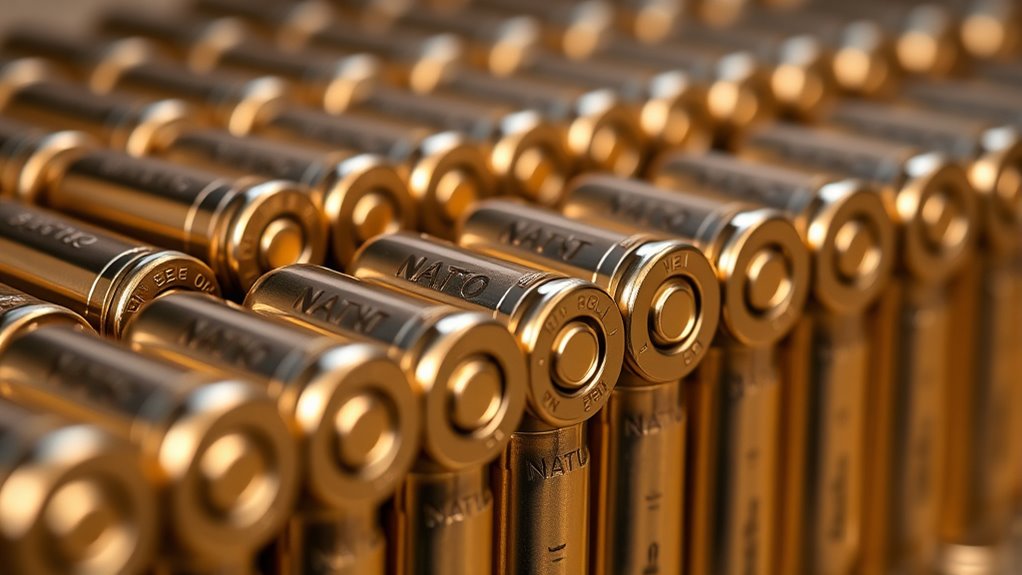
NATO ammo is standardized ammunition designed to work seamlessly across allied nations’ firearms, ensuring compatibility and operational efficiency. It helps reduce logistics issues, lowers costs, and fosters trust among military forces by sharing common calibers like 5.56mm, 7.62mm, and 9mm.
Using NATO-standard rounds means improved safety, performance, and interoperability in joint missions.
To find out how these standards shape modern warfare, keep exploring what makes NATO ammo essential for military operations.
Key Takeaways
- NATO ammo is standardized ammunition that works across member nations’ firearms, making interoperability and operations smoother.
- It covers specific calibers like 5.56mm, 7.62mm, and 9mm, designed for different military and civilian needs.
- Standardizing ammo simplifies logistics, cuts costs, and helps with quick resupply during joint military missions.
- Strict manufacturing standards ensure consistent performance, safety, and durability in various conditions.
- The focus of advances is on better accuracy, safety, environmental impact, and readiness for future battlefield challenges.
What Is NATO Ammo and Why Is It Standardized?
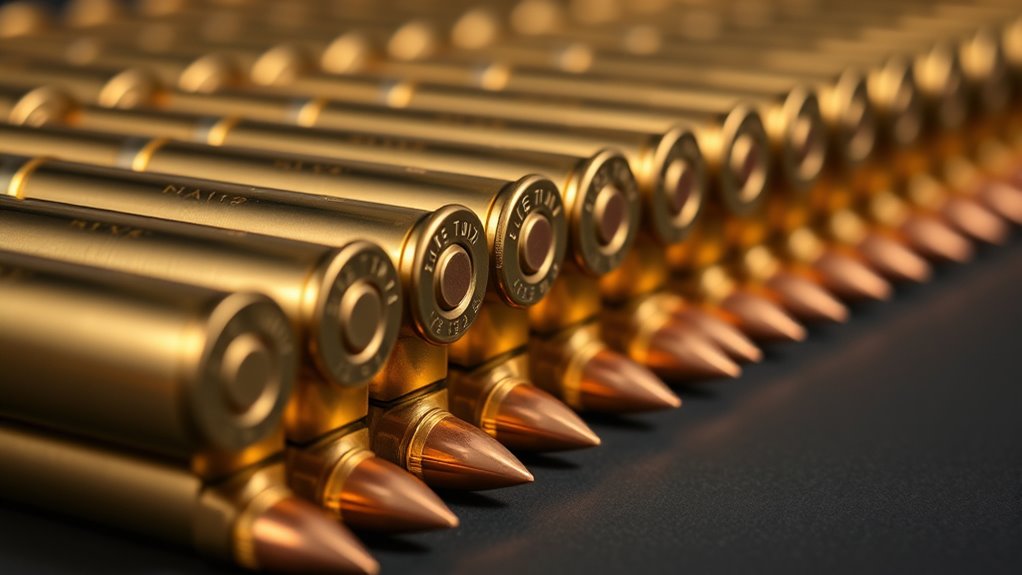
NATO ammo refers to ammunition that meets the standards set by the North Atlantic Treaty Organization, ensuring compatibility across member nations’ firearms and military gear. This standardization started early in NATO’s history to make military operations smoother and reduce logistical headaches.
By adopting common calibers and specifications, NATO made it easier to supply and distribute ammunition during joint missions. These standards also help prevent shortages and ensure weapons work reliably across different countries’ forces.
Standardized calibers streamline supply, prevent shortages, and ensure reliable weapon performance across NATO forces.
They also make it easier for soldiers from various nations to share and exchange ammunition without compatibility issues. Over time, NATO’s focus on standardizing ammo has strengthened alliance unity and operational effectiveness.
Whether you’re deploying in Europe or taking part in joint exercises, understanding NATO ammo’s role in history and logistics highlights its importance in maintaining seamless military cooperation among member states.
How Does NATO Ensure Ammunition Compatibility?
NATO makes sure that ammunition works well across all member countries by using standardized sizes and specifications. This way, weapons and ammo can fit and function properly no matter where you are.
They also have testing procedures to check that the ammunition performs reliably and safely in different types of equipment. All of this coordination helps keep things running smoothly during operations and cuts down on potential risks or mishaps.
Standardized Ammunition Dimensions
To guarantee seamless interoperability among member nations’ military forces, standardized ammunition dimensions are carefully defined and maintained. This standardization benefits everyone by ensuring ammunition reliability and reducing malfunctions during critical moments.
When dimensions are precise, weapons chambers fit perfectly, making operations smoother and more dependable. NATO’s strict guidelines mean that every soldier, regardless of country, can trust their ammo to perform consistently.
| Standard Dimensions | Benefits |
|---|---|
| Precise measurements | Reliable ammunition use |
| Uniform casing sizes | Faster logistics handling |
| Consistent cartridge | Reduced misfires |
| Interchangeability | Improved operational readiness |
| Strict adherence | Increased mission success |
This unity builds trust and saves lives through dependable, compatible ammo.
Compatibility Testing Procedures
Standardized dimensions provide a reliable foundation for ammunition, but verifying compatibility across different weapon systems needs thorough testing. NATO tackles this challenge with detailed protocols to ensure ammo works smoothly with various firearms.
These protocols include chamber and bore inspections, ballistic performance tests, and safety evaluations to confirm rounds fire accurately and reliably. NATO’s testing procedures are designed to catch potential issues early, helping to reduce malfunctions and safety risks.
Compatibility testing also involves simulating operational conditions like extreme temperatures and handling stresses to check durability. This systematic approach ensures NATO ammo maintains high standards across member countries, so you can trust each round to perform consistently in different military environments.
Common Types of NATO Ammunition and Their Uses
NATO standard ammunition comes in a bunch of different types, each made for specific uses. Whether it’s for rifles, machine guns, or artillery, there’s a variety to suit different needs. These calibers aren’t one-size-fits-all—they’re designed to perform well in various situations, whether on the battlefield or in civilian applications.
Getting to know these different types helps you understand how NATO ammunition is so versatile and effective. Each kind has a particular role, making sure that military and civilian users have the right tools for their specific operational needs.
Standard Ammunition Types
NATO ammunition includes a variety of common types designed to meet the different needs of modern military forces. These standard ammo types are optimized for various roles, helping ensure mission success.
You’ll find calibers like 5.56mm and 7.62mm, each made for specific firearms and tactical situations. Knowing these caliber specs helps keep your ammo logistics smooth and avoids shortages or mismatches.
Key types include:
- Ball ammo for target shooting and training, giving you confidence in your firepower.
- Tracer rounds that ignite mid-flight, providing visual feedback and improving your accuracy.
- Armor-piercing rounds that can penetrate tough targets, so you’re ready for any threat.
These essential types keep your operations effective, reliable, and prepared for any scenario.
Caliber Variations and Uses
Different calibers serve specific tactical roles within NATO forces, making sure each firearm is optimized for its purpose. When comparing calibers, you’ll notice differences that affect range, recoil, and stopping power.
For example, the 5.56×45mm NATO is great for lightweight rifles, providing high velocity and precision for close-quarters combat and rapid fire. On the other hand, the 7.62×51mm NATO offers more stopping power and longer range, making it ideal for snipers and heavy machine guns.
Smaller calibers like the 9×19mm are common for sidearms and submachine guns, emphasizing maneuverability in close combat. Understanding these variations helps you choose the right ammo for specific tactical situations, improving performance and mission success.
Military and Civilian Applications
Many types of NATO ammunition are designed to meet both military and civilian needs, each optimized for specific applications.
For military use, NATO ammo guarantees a reliable supply for combat readiness and defense.
Civilian applications focus on safety, training, and sport shooting, making ammunition essential for civilian training programs.
These rounds help shooters sharpen their skills and ensure safety standards are met.
Experience the adrenaline of precision shooting during civilian training sessions.
Feel the importance of a steady ammunition supply in critical moments.
Connect with the power of reliable, high-quality NATO rounds that protect lives and improve skills.
Whether defending a nation or perfecting marksmanship, NATO ammunition plays a vital role.
It guarantees safety, preparedness, and confidence in every shot.
Benefits of Using NATO-Standard Ammo in Military Missions
Using NATO-standard ammunition offers big advantages in military missions because it ensures interoperability among allied forces. This means you can share weapons and ammo seamlessly, reducing delays and confusion during operations.
A key benefit is the tactical edge it provides. Uniform ammunition allows your forces to work together more effectively, maximizing firepower and coordination. It also makes logistics simpler—suppliers can stockpile and distribute just one type of ammo, streamlining resupply.
This efficiency means less time managing different calibers and more focus on your mission goals. Plus, standardization makes training easier since soldiers become familiar with a common ammunition type.
How NATO Ammo Supports Interoperability Among Allies
NATO ammunition is crucial for helping allied forces work together smoothly by making sure weapons and supplies are compatible across different countries. This compatibility tackles interoperability issues during joint missions, making coordination easier and more effective.
When everyone uses NATO-standard ammo, it cuts down delays caused by incompatible gear or logistics problems. This allows for quicker responses when every second counts. It also builds trust among allies, knowing their equipment works seamlessly together.
Using shared standards simplifies logistics, lowers costs, and makes supply chains more straightforward during complex operations. Embracing NATO ammo helps create a unified front, so your forces can operate confidently alongside others, no matter where they come from.
Feel the confidence of smooth cooperation during joint missions, knowing your gear is compatible. Experience the relief of fewer delays, which can save lives and ensure mission success.
Stand united with your allies. Using common standards and building trust strengthens bonds and makes collaborations more effective.
NATO vs. Non-NATO Ammunition: What’s the Difference?
You’ll see that NATO and non-NATO ammunition mainly differ when it comes to compatibility standards. Basically, this means that not all weapons can fire certain rounds unless they meet specific standards. It’s a bit like trying to fit a key into the wrong lock — if they don’t match, it just won’t work.
Aside from that, there are performance differences too. These can affect things like accuracy, power, and how reliable the rounds are during use. So, it’s not just about whether they fit, but also how well they perform once fired.
Lastly, you’ll notice that the way these types of ammunition are used around the world varies quite a bit. Some regions favor NATO rounds because of their widespread adoption, while others stick with non-NATO options based on their specific needs. This all plays a role in military tactics and logistical planning.
Compatibility Standards
While many military and civilian firearms worldwide are designed to work with specific ammunition standards, NATO and non-NATO rounds often differ in key ways that can affect compatibility. These differences can create serious interoperability issues, potentially making rounds unusable or unsafe.
You might face compatibility challenges that limit your options during critical moments, risking delays or malfunctions. Understanding these standards is essential to avoid costly mistakes and ensure your firearm performs reliably.
Mismatched dimensions can cause dangerous misfires or jams, and different pressure levels threaten firearm safety and longevity. Incompatible cartridges also restrict your ability to adapt quickly when it matters most.
Performance Variations
Differences in performance between NATO and non-NATO ammunition can really affect your firearm’s reliability and effectiveness. Metrics like velocity, accuracy, recoil, and terminal ballistics can vary between the two.
NATO-standard ammo goes through strict testing to meet specific performance criteria. This helps ensure consistent reliability across different brands and batches.
On the other hand, non-NATO ammunition might not follow these standards, which can lead to inconsistencies in performance. That could impact your shooting accuracy and how well your firearm functions.
While non-NATO rounds might have some advantages, like saving costs or offering specialized features, they can also introduce variability in key performance metrics.
Knowing the differences helps you choose the right ammunition for your needs. This way, your firearm will perform reliably when it matters most.
Global Usage Patterns
NATO and non-NATO ammunition show different global usage patterns, mainly because of regional alliances, military standards, and market demands. These differences shape how ammunition is produced and used around the world.
You might notice the impact of these disparities when thinking about supply chains, compatibility, or strategic choices. NATO ammo is widely used in allied countries, making logistics easier and promoting interoperability.
On the other hand, non-NATO ammunition is common in regions with different military standards, which influences local markets and helps create unique military identities.
These differences can evoke strong feelings, like pride in national independence or frustration over incompatible equipment.
Understanding these patterns helps explain why certain ammunition is popular in specific areas, reflecting complex geopolitical, economic, and security realities that affect both military and civilian access.
Typical Calibers and Cartridges Used by NATO Forces
NATO forces mainly use a set of standardized calibers and cartridges to ensure compatibility across member nations. These calibers have specific specs that guarantee reliable performance and easy exchangeability.
The design of these cartridges focuses on efficiency, accuracy, and ease of handling, making them suitable for various combat scenarios. Here’s a quick look at some common NATO calibers:
| Caliber | Typical Cartridge Specifications |
|---|---|
| 5.56×45mm NATO | Small, lightweight, high velocity, used in rifles like the M16 and M4 |
| 7.62×51mm NATO | Larger, more powerful, great for sniper and machine guns |
| 9×19mm Parabellum | Standard sidearm round, known for versatility and manageable recoil |
| 12.7×99mm NATO | Heavy machine gun round, designed for long-range and armor penetration |
| 7.62×39mm | Used in AK-style rifles, balancing power with compact size |
These calibers highlight NATO’s focus on cartridge design tailored for their operational needs.
Manufacturing Standards and Quality Checks for NATO Ammo
Manufacturing standards for NATO ammunition are strictly defined to guarantee consistent performance and safety across all member forces. These standards ensure that every round meets rigorous specifications through carefully controlled manufacturing processes.
You can trust that quality assurance measures are embedded at every stage, from raw material selection to final testing. These checks help prevent defects, securing reliability under demanding conditions.
By adhering to strict protocols, NATO maintains uniformity and top-tier quality in its ammunition. Feel confident knowing every cartridge is tested for safety and precision before it reaches your hands.
NATO ensures each cartridge is thoroughly tested for safety and precision before reaching you.
Trust in consistent performance, knowing each round is manufactured under strict quality assurance protocols. Rest assured, the rigorous standards protect you and your team in critical moments.
This meticulous approach to manufacturing processes guarantees that NATO ammo remains dependable, giving you peace of mind in high-stakes situations.
When and Why Military Forces Choose NATO Ammo
Military forces choose NATO ammunition when they need reliable, interoperable rounds that meet strict international standards. They pick NATO ammo to make logistics smoother and ensure seamless ammunition supply across allied forces.
Using standardized calibers helps avoid complications in sharing and resupplying ammo during joint operations. This interoperability simplifies logistics, reduces storage needs, and speeds up resupply times, keeping troops well-equipped.
NATO ammo also gives confidence in performance and consistency, which is crucial during high-stakes missions. Forces tend to prioritize these standards when participating in multinational exercises or deployments to ensure compatibility with allied weapons systems.
Plus, NATO ammunition’s adherence to quality and safety protocols lowers the risk of malfunctions, which can be disastrous in combat. Ultimately, military forces choose NATO ammo to boost operational efficiency, maintain interoperability, and secure a reliable supply chain—especially in complex, multi-national environments.
Future Trends and Innovations in NATO Ammunition
Advancements in technology and evolving battlefield needs are driving innovative trends in ammunition design. These new developments aim to boost performance, safety, and adaptability.
Future NATO ammunition focuses on improving accuracy, cutting down collateral damage, and making rounds more durable in extreme conditions. Expect smarter rounds that adapt mid-flight, which will increase hit probability and effectiveness.
Technological progress also aims to make ammunition safer for users and the environment. This includes reducing ricochet risks and using cleaner propellants. These innovations build confidence that future NATO ammo will meet the complex demands of modern warfare.
Feel the thrill of cutting-edge technology transforming battlefield tactics. Experience safer, more reliable rounds that save lives. Witness how innovation is shaping a new era of strategic dominance.
Frequently Asked Questions
How Does NATO Ammunition Impact Civilian Firearm Regulations?
NATO ammunition influences civilian firearm regulations by creating regulatory challenges, especially since it’s designed for military use. You may find it harder to access or own NATO rounds legally, as laws often restrict or control military-grade ammo to prevent misuse.
This impacts civilian ownership by requiring stricter licensing or bans, depending on your location. Understanding these regulations helps you navigate legal firearm use while ensuring safety and compliance with local laws.
Are There Environmental Concerns Associated With NATO Ammunition?
While NATO ammo is generally safe, there are some subtle ecological concerns. Lead contamination can happen from spent cartridges, which might affect soil and water quality.
This lead residue could contribute to broader environmental issues over time. Modern manufacturing tries to reduce ecological impact, but it’s still wise to be mindful of lead contamination risks.
This is especially important in shooting ranges or outdoor areas, where lead buildup can be more concentrated. Taking precautions helps preserve the environment for future generations.
Can NATO Ammo Be Used in Civilian Sporting Rifles?
Yes, you can use NATO ammo in civilian sporting rifles if the firearm’s NATO caliber matches the ammunition. Many civilian rifles are designed or adapted for NATO calibers, so they can handle this ammo.
Just make sure your rifle’s chamber is compatible and follow all safety guidelines. Always double-check your firearm’s specs before firing NATO ammunition to avoid damage or safety issues.
What Are the Cost Differences Between NATO and Commercial Ammunition?
Like a tightrope walker balancing costs, you’ll find NATO ammo often costs more than commercial options.
Military procurement and pricing trends influence this gap, driven by factors like quality standards and bulk purchasing.
While NATO rounds may promise reliability, their premium price reflects specialized manufacturing.
Commercial ammo, meanwhile, often offers a cheaper alternative for casual shooters, though it might not meet the same rigorous specifications.
How Does NATO Address Shortages of Ammunition During Conflicts?
During conflicts, NATO handles ammunition shortages by using logistical strategies that focus on critical supplies and making the supply chain more efficient.
You’ll see member nations working together to share resources, boost production, and improve how supplies are distributed.
NATO’s flexible logistics help with quick responses and keeping operations going, so allied forces don’t run out of ammunition.
These approaches help reduce shortages and keep the supply chain strong and reliable during high-pressure situations.
Conclusion
Just as a shared language unites diverse voices, NATO ammo symbolizes unity among allies, ensuring seamless cooperation on the battlefield. When you choose standardized ammunition, you’re embracing reliability, compatibility, and strength—pillars that hold the alliance together.
As technology evolves, so does this symbol of solidarity, forging a future where innovation and interoperability continue to protect and empower nations. In this shared trust, every round launched echoes the enduring bond that keeps you and your allies fighting as one.