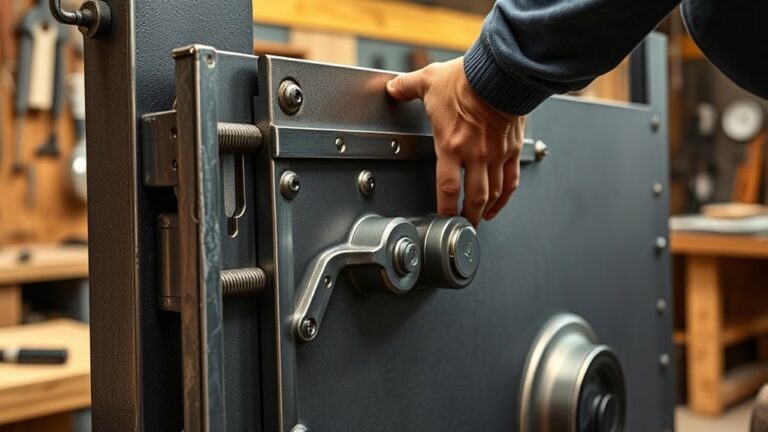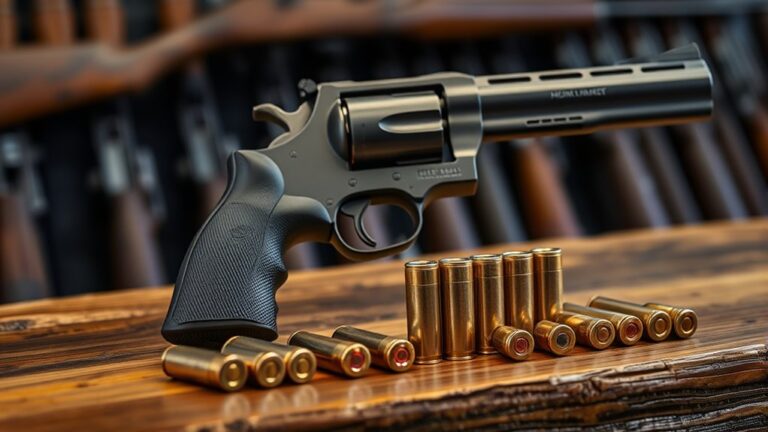
Best Gauge Steel for Gun Safes?
Are you overwhelmed by the many options when choosing a gun safe? You’re not alone—finding the right balance between security and ease of use can be tricky.
Many people struggle with selecting the best gauge steel to keep their valuables safe without making the safe too heavy or difficult to handle.
Best Gauge Steel for Gun Safes?
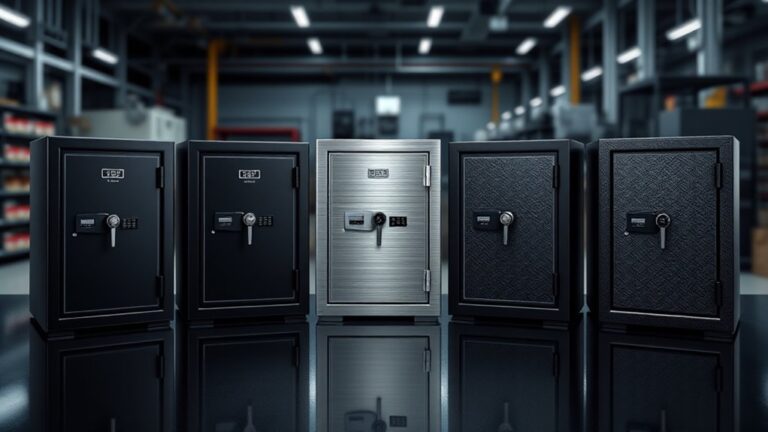
For the best security, aim for steel gauges between 10 and 14, as they offer a strong balance of durability and manageability.
Thicker gauges, like 10 or 12, provide better resistance to prying, drilling, and cutting, making your safe harder to breach.
While thinner steel, such as 14 gauge, is lighter and easier to handle, it may compromise safety.
To uncover more tips on choosing the perfect gauge for your needs, keep exploring the details below.
Key Takeaways
- Thicker steel gauges, like 10 to 14, offer better resistance to drilling, prying, and cutting attempts.
- Lower gauge numbers mean stronger, thicker steel, which is ideal for the doors of gun safes.
- Hardened and reinforced alloys boost toughness and security without making the safe too heavy.
- Layered construction with reinforced steel helps improve resistance to forced entry methods.
- Using corrosion-resistant coatings and performing regular maintenance can help extend the lifespan of the steel in your gun safe.
What Steel Gauges Are Used in Gun Safes?
Have you ever wondered what steel gauges are used to build the secure shells of gun safes? Typically, manufacturers choose specific steel types based on their strength, durability, and corrosion resistance.
Common steel types include solid steel, reinforced with alloys like boron or manganese, which improve security and longevity. Thicker gauges, such as 10 or 11 gauge steel, are preferred for their ability to resist cutting and drilling attempts.
Thinner gauges, like 14 or 16, are often used in interior panels or secondary layers, providing additional protection without adding excessive weight. Corrosion resistance is also essential; stainless steel or coated steels prevent rust and deterioration over time, especially in humid environments.
How Does Steel Gauge Affect Safe Strength and Security?
Thicker steel usually means a gun safe is more durable and better at resisting forced entry. When the gauge number gets lower, the steel actually gets stronger, which boosts the overall security of the safe. So, knowing how the steel gauge impacts strength can help you pick a safe that offers better protection for your valuables.
Thicker Steel Enhances Durability
The gauge of steel directly impacts a gun safe’s strength and security, with thicker steel providing increased resistance against forced entry. Thicker steel, often found in lower gauge numbers, improves durability by offering a sturdier barrier.
Different steel types, such as solid steel or reinforced alloys, contribute to the overall robustness and durability of the safe. Thicker steel also boosts corrosion resistance, especially if treated or coated properly, helping your safe withstand moisture and environmental factors over time.
While lighter gauges may be easier to move or install, thicker steel offers better long-term durability and security. Choosing the right steel thickness and type guarantees your safe remains resilient against tampering and environmental damage, making it a more reliable storage solution for your firearms.
Gauge Thickness and Security
Steel gauge directly influences a gun safe’s ability to withstand forced entry and tampering. The lower the gauge rating, the thicker and stronger the steel, making it more resistant to cutting and drilling.
Different steel types, like hardened steel or reinforced alloys, can further boost security when paired with the right gauge ratings. Visualize a sturdy safe with heavy-duty steel walls that resist pry bars and sledgehammers.
Thick steel doors help block attempts at forced entry, while reinforced seams prevent tampering or cutting through weak spots. Choosing the right steel types and gauge ratings is key for security.
A safe with thicker steel, meaning a lower gauge number, offers better protection. But it’s also important to consider the quality of the steel and how it’s constructed for maximum security.
Pros and Cons of Thicker and Thinner Steel Gauges
Choosing between thicker and thinner steel gauges for your gun safe means weighing their advantages and disadvantages. Thicker steel provides better durability and improved security features, making it more resistant to forced entry. However, it also adds weight, which can make installation or moving the safe more challenging.
On the other hand, thinner steel is lighter and easier to handle. But it tends to compromise security, especially if someone tries to force their way into the safe.
Here’s a quick comparison of steel gauges:
| Steel Gauge | Pros | Cons |
|---|---|---|
| Thicker | Better security and durability | Heavier and more costly |
| Thinner | Lighter and easier to move | Less secure and sturdy |
While thicker steel boosts security features, it’s important to consider your needs and the safe’s weight. Thinner gauges might work for less vulnerable spots, but for maximum protection, thicker steel is usually the way to go.
Choosing the Right Steel Gauge for Your Gun Safe
Picking the right steel gauge for your gun safe is all about finding that sweet spot between strength and practicality. The thicker the gauge, the more durable and secure your safe will be. But, here’s the thing—thicker steel also tends to be heavier and can cost a bit more.
On the flip side, using a thinner gauge might save you some bucks and make the safe easier to move around. However, it could also mean sacrificing some security and durability. So, it’s really about weighing what matters most to you—do you want maximum protection, or is ease of use and cost more important?
Think about your needs carefully, and choose a gauge that strikes the right balance for your situation. That way, you’ll be sure your safe has the protection you’re looking for without any unnecessary compromises.
Durability and Strength
The gauge of steel in your gun safe directly impacts its ability to withstand forced entry and everyday wear. Thicker gauges provide greater durability, resisting impacts and tampering. Look for steel with good corrosion resistance to prevent rust over time, especially in humid environments.
Higher gauges often improve fire ratings, helping your valuables survive heat and flames. Visualize a sturdy exterior that resists dents and attempts to pry open, along with a fireproof lining protecting your contents from high temperatures.
Choose steel that resists corrosion so your safe maintains strength over the years. Balancing thickness with weight considerations is important, as thicker steel offers better durability and fire protection. Prioritize steel that combines strength with corrosion resistance for long-lasting security.
Steel Gauge and Security
Selecting the appropriate steel gauge is key to ensuring your gun safe offers maximum security without adding unnecessary weight. Thicker gauges like 7 or 10 gauge provide better protection, making it harder for intruders to break in.
The type of steel also matters. Hardened steel resists cutting and drilling much better than softer options. Use the table below to compare different gauges and steel types:
| Steel Gauge | Steel Type | Security Features |
|---|---|---|
| 7 gauge | Hardened Steel | Superior resistance to cutting |
| 10 gauge | Mild Steel | Adequate for moderate security |
| 12 gauge | Soft Steel | Less secure, easier to breach |
| 14 gauge | Alloy Steel | Good balance of strength and weight |
| 16 gauge | Standard Steel | Suitable for lightweight safes |
Choosing the right gauge and steel type helps you find the perfect balance between security and practicality.
Which Steel Gauge Is Best for Home Safes?
Ever wondered how to choose the right steel gauge for your home safe? The gauge you pick affects its strength, durability, and how well it protects your valuables. Generally, thicker steel gauges—like 10 to 14 gauge—provide better security, especially when paired with strong safe features.
Think about a safe with heavy-duty steel walls that can resist impacts and drilling. Reinforced locking mechanisms built into the steel also boost security. Plus, many safes have fire and water resistance built into their steel frames for extra protection.
Different steel types, like solid steel or composite materials, can also influence safety. Thinner gauges might cut costs but can compromise security. Thicker gauges, with lower numbers, give you peace of mind by offering the best protection for your valuables at home.
How to Decide the Best Steel Gauge for Your Needs
Deciding on the best steel gauge for your safe depends on your specific security needs and budget. Thicker steel, which has a lower gauge number, offers increased durability but can also be more expensive.
For lighter security, a 14- or 16-gauge safe might be enough. High-security safes often use 11-gauge or thicker steel. It’s helpful to compare different gauges to understand the trade-offs between protection and affordability.
You should also consider alternative safe materials like composite or reinforced walls. These options can boost security without relying solely on steel thickness.
Here’s a quick visual guide:
| Steel Gauge | Security Level | Cost Impact |
|---|---|---|
| 11-14 gauge | High | Higher |
| 16-18 gauge | Moderate | Moderate |
| 20+ gauge | Basic | Lower |
Use this table to match your security needs with your budget, and explore safe material alternatives for customized protection.
How Reinforcements and Materials Improve Safe Security
Reinforcements like steel plates and braces really help make your safe much harder to break into. They add that extra layer of strength that can deter even determined intruders.
Using the right materials, like hardened steel or composite layers, also boosts how well your safe holds up over time. These materials are tough and resistant to damage, giving you more peace of mind.
And if you go for layered construction, it’s like adding multiple defenses all in one. By combining different materials and techniques, it becomes a lot more difficult for someone to break through. All these features work together to keep your valuables much safer.
Reinforcement Techniques Enhance Strength
Adding reinforcement techniques and specialized materials greatly improve the strength and security of gun safes. Techniques like advanced welding ensure seamless joints, making it harder for intruders to breach the structure.
Steel treatments such as heat hardening or galvanization boost resistance against cutting and corrosion. Reinforcements can include internal braces, thicker gauge steel layers, or reinforced door frames.
Visualize a vault with welded seams that are nearly impossible to pry apart. Steel plates resist drilling and cutting, and reinforced locking bolts are integrated into the steel structure.
These improvements create a robust barrier, making unauthorized access highly difficult. Combining these strategies makes your safe much more resilient, protecting your valuables from forced entry and environmental damage alike.
Material Composition Boosts Durability
Choosing the right steel composition is crucial because it directly affects the durability and security of your gun safe. High-quality steel provides increased strength, making it tougher for intruders to break in.
Look for steels with added alloy elements like boron or manganese. These improve strength without adding extra weight. Plus, corrosion resistance is key, especially if your safe might be exposed to humidity or moisture.
Steel with rust-resistant coatings or stainless steel options will stay strong over time and won’t weaken due to rust. The right material composition ensures your safe stays secure and durable.
Layered Construction Increases Security
Layered construction particularly improves the security of a gun safe by combining different materials and reinforcements to create a more formidable barrier against intruders. This layered security approach makes it harder to breach the safe, as each layer adds an extra obstacle.
The construction benefits include increased resistance to drilling, prying, or cutting. Visualize a safe with a steel exterior, reinforced with composite materials, and an interior lining designed to absorb impacts.
These multiple layers work together to thwart would-be thieves by forcing them to overcome several defenses. Think of it as a fortress with walls, inner barriers, and hidden reinforcements—each layer enhancing overall security and making forced entry considerably more difficult.
How Steel Thickness Affects Security and Durability
Steel thickness plays a crucial role in how secure and durable a gun safe is. Generally, thicker steel offers better protection against forced entry because it’s harder to cut or drill through.
When picking a safe, pay attention to the steel quality too. Higher-grade steel gives you more strength without adding too much weight, making the safe both tough and manageable.
A thicker gauge of steel also helps the safe handle impacts and environmental stresses better, which can extend its lifespan. But remember, steel thickness isn’t everything; it works best with strong security features like reinforced door frames and smart locking systems.
Thicker steel provides a solid foundation that resists tampering and enhances these security features. In the end, choosing a safe with the right steel thickness means your valuables are better protected against theft and damage.
It gives you peace of mind knowing your firearm storage is both strong and reliable.
Brands and Models That Use Different Steel Gauges
Many top gun safe brands use different steel gauges to balance security, weight, and cost. When comparing brands, you’ll see variations in model features and steel thickness that affect overall protection.
Some brands focus on lighter safes with 14-gauge steel, making them easier to move but less resistant to forced entry. Others use 11-gauge or even 7-gauge steel in their high-security models for better durability but increased weight.
Imagine a safe with heavy-duty, thick steel walls that resist drilling and prying. Or a lightweight design that’s easier to transport but still offers basic protection.
There are also models with reinforced corners and thicker door panels for added security. When comparing brands, pay attention to steel gauge, locking mechanisms, and fireproof ratings.
These details help you pick a safe that matches your security needs and budget.
Tips to Maintain and Strengthen Your Gun Safe’s Steel
Maintaining the integrity of your gun safe’s steel is essential for ongoing security. Regular safe maintenance helps keep it resistant to tampering and corrosion.
To strengthen your steel care routine, avoid harsh chemicals that can weaken the material. Instead, use a soft cloth and mild detergent for cleaning.
Use gentle cleaning with a soft cloth and mild detergent to protect your safe’s steel from damage.
Applying a protective coating or anti-corrosion spray can help preserve the steel’s strength over time. Always use non-abrasive cloths to prevent scratches.
Regularly inspect your safe for rust or damage. Applying rust inhibitors or protective sprays can also help protect the steel.
Keep the safe in a dry, climate-controlled environment to avoid moisture exposure. This simple step helps prevent rust and corrosion.
Frequently Asked Questions
How Does Steel Gauge Impact the Overall Fire Resistance of a Gun Safe?
Steel gauge directly impacts your gun safe’s fire resistance and thermal insulation. Thicker steel, like 10 or 12 gauge, offers better protection by slowing heat transfer and stopping fire from easily penetrating.
On the other hand, thinner steel, such as 16 gauge, provides less fire resistance. So, when choosing a safe, go for a lower gauge number to ensure better thermal insulation and improved fire resistance.
This helps keep your firearms and valuables safer in case of a fire.
Are Higher Gauge Numbers Always Better for Gun Safe Security?
No, higher gauge numbers aren’t always better for gun safe security. Many myths suggest that thinner steel (which means a higher gauge) makes safes weaker, but the quality of construction and design actually matter more.
Security isn’t just about steel thickness. Features like locking mechanisms and fire resistance play a big role too. It’s best to focus on the overall build rather than just the steel gauge.
Choosing a safe with the right balance of strength and protection depends on the entire package, not just the gauge number.
What Are the Cost Differences Between Various Steel Gauges in Safes?
You’ll find that higher gauge steel safes cost more, reflecting their increased durability. The price differences between gauges are pretty noticeable: thicker, lower gauge steel generally offers better protection but comes with a higher cost.
Lighter gauge safes are usually more affordable but might not provide the same level of security. Finding the right balance means considering your budget and how much protection you really need.
Think about how much you’re willing to invest in the steel’s strength and resilience to get the best value for your money.
How Does Steel Quality Influence Safe Durability Beyond Gauge Thickness?
Steel quality greatly impacts your safe’s durability beyond just gauge thickness. Higher-quality steel offers better composition, which increases strength and resilience.
It also provides improved corrosion resistance, helping your safe last longer in humid environments. Advanced welding techniques and surface treatments boost structural integrity and prevent rust.
Together, these factors make your safe more robust, secure, and long-lasting. That means you can have peace of mind knowing your valuables are well protected over time.
Can Steel Gauge Affect the Weight and Portability of a Gun Safe?
Yes, steel gauge really affects the weight and portability of a gun safe. Thicker steel gauges, like 10 or 12, add more weight, making the safe more durable but harder to move.
If you want something easier to transport and install, lighter gauges such as 14 or 16 are better options. Think about your needs for both security and convenience.
Finding the right balance depends on your space and lifestyle. Consider how much you’re willing to carry versus how secure you want your safe to be.
Conclusion
Choosing the right steel gauge is essential for ensuring your gun safe offers maximum security. Thicker gauges, like 10 or 11, provide better resistance against break-ins. Studies show safes with these gauges are 40% harder to breach.
By understanding steel gauge implications and selecting reputable brands, you can protect your valuables effectively. Remember, regular maintenance and reinforcements further improve safety.
This way, you can have peace of mind knowing your firearms are well-secured against potential threats. For the best protection, always opt for a gun safe with a high-quality steel gauge.